
Certified Low-Voltage & Fiber Optic Cabling
DSE Security designs, installs, tests, certifies, and documents low-voltage infrastructure for modern buildings. From structured cabling and Cat6A drops to fiber optic backbones, patch panels, rack integration, security cabling, and Fluke-certified validation, DSE builds infrastructure for performance, reliability, and future growth.
Clean cabling, documented pathways, and long-term serviceability.
Low-voltage infrastructure is the foundation for security systems, networks, wireless access points, workstations, phones, building systems, cameras, access control, and connected devices.
DSE designs installations around pathway capacity, cable performance, labeling, rack organization, documentation, testing, and future expansion so the environment remains easier to support after the installation is complete.
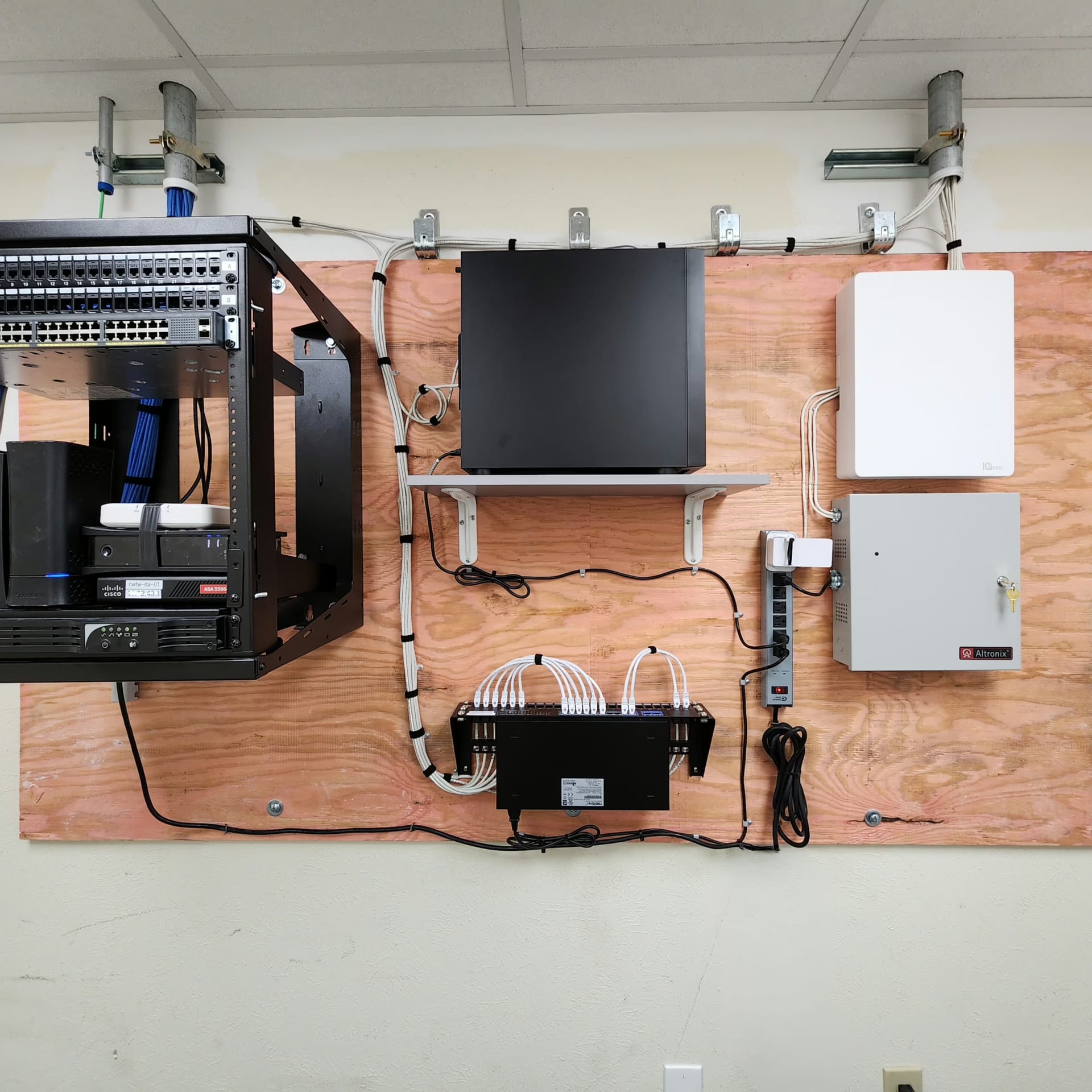
Design, install, certify, and document every run.
DSE keeps cabling projects organized from planning through testing so your infrastructure is easier to operate, troubleshoot, and expand.

Structured Low-Voltage Design
Plan clean pathways, equipment rooms, cable routes, access points, camera drops, and scalable infrastructure before the first pull begins.
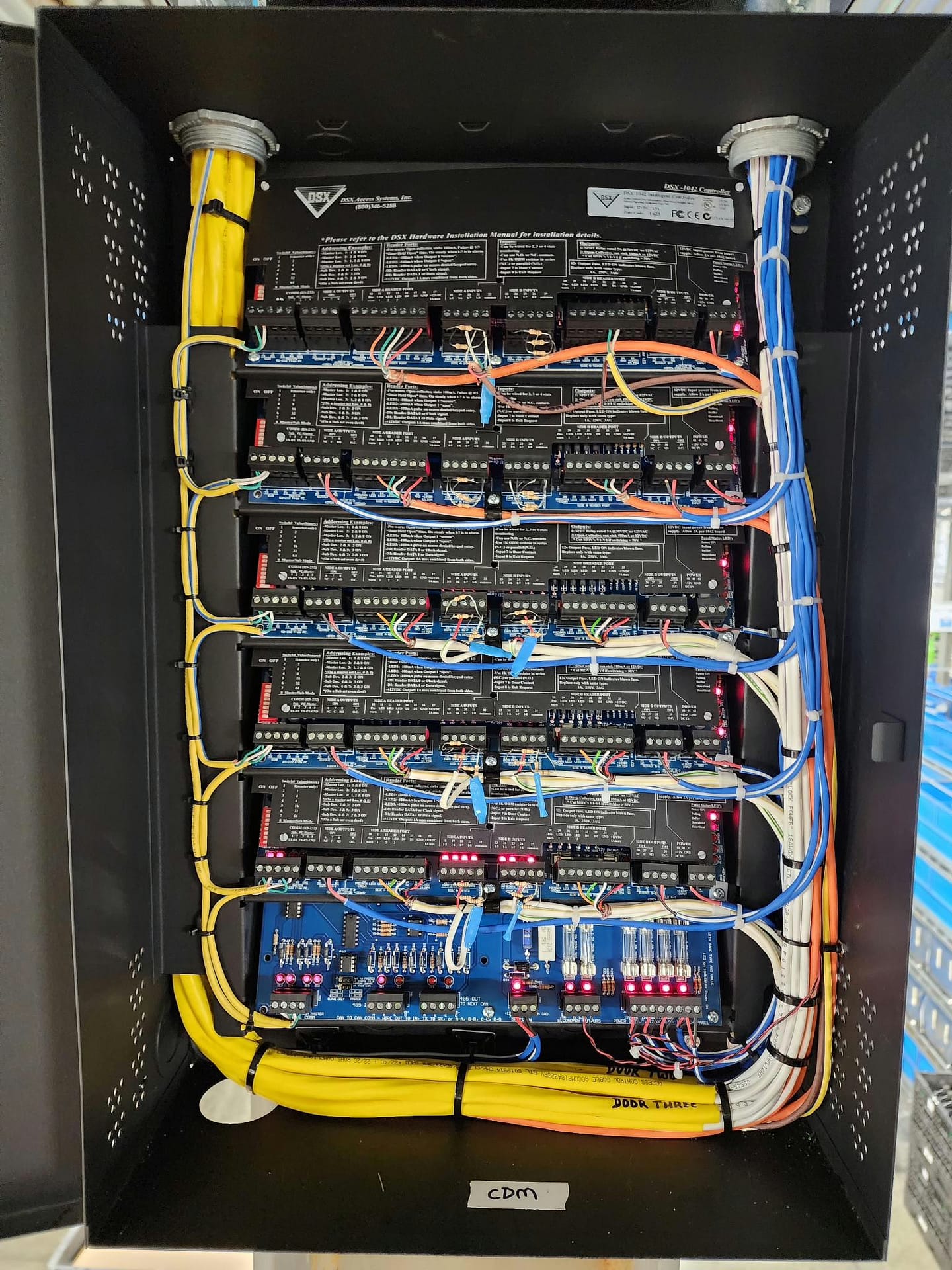
Panel & Rack Integration
Organize patch panels, network equipment, access hardware, cable management, and rack layouts for long-term serviceability.
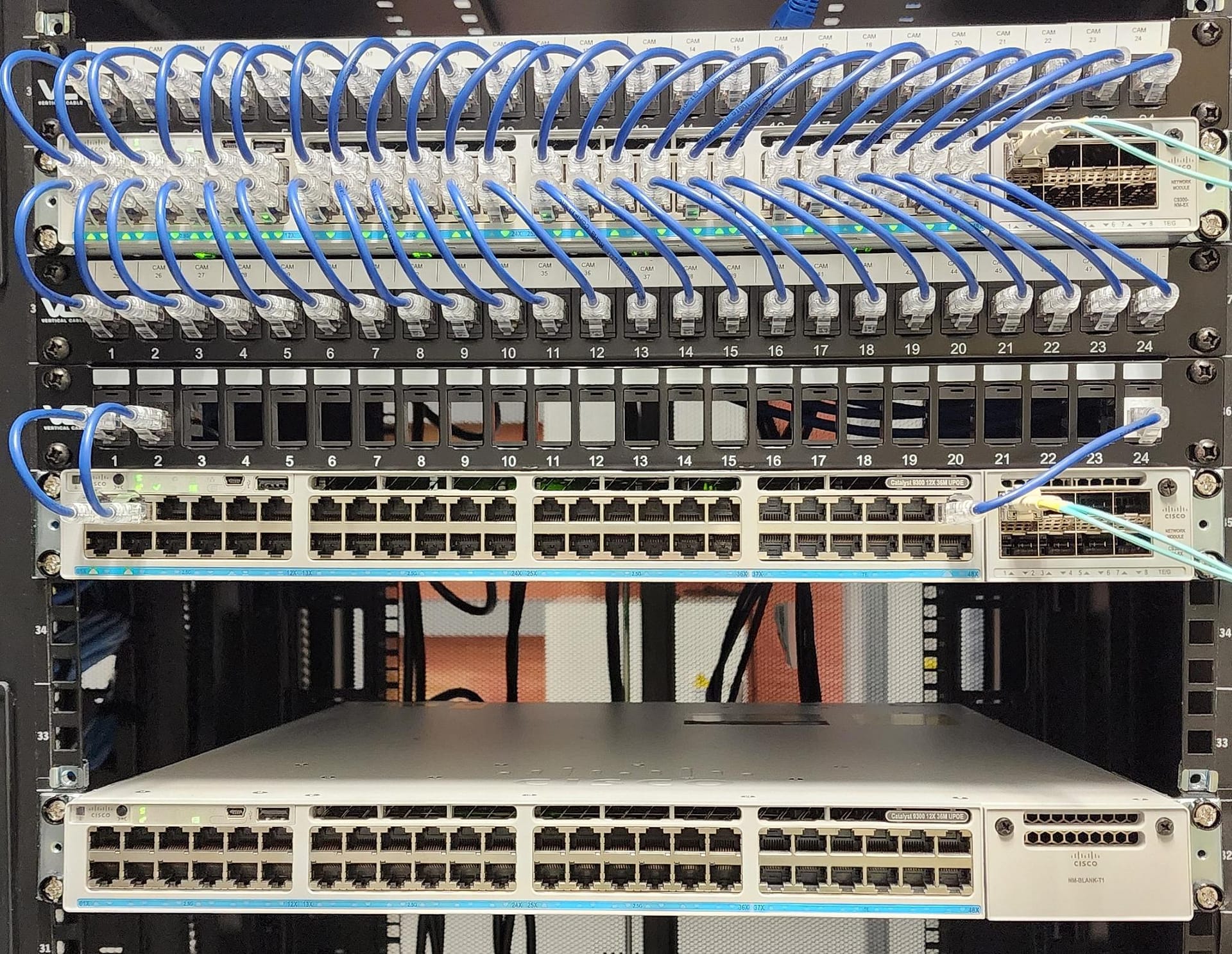
Clean Field Installation
Deliver professional cable runs, terminations, labeling, testing, and documentation for network, security, and building-system drops.
Clean cable runs built for performance and reliability.
Professional installation protects signal quality from the start. DSE maintains bend radius, tension control, pathway separation, labeling, and clean cable-management practices throughout each project.
DSE technical standards and certified validation.
After installation, DSE supports testing, documentation, patch panel mapping, labeling, and validation so owners and IT teams have a clearer picture of the installed infrastructure.
High-performance Cat6 and Cat6A solutions.
Support high-speed business operations with copper cabling designed for reliable data throughput, PoE devices, security hardware, and future network expansion.
DSE installs Cat6 and Cat6A solutions for workstations, wireless access points, IP cameras, access control systems, smart lighting, network hardware, and commercial technology environments.
Enterprise fiber optic backbones.
Fiber optic infrastructure creates the high-bandwidth backbone needed for data-heavy facilities, campus networks, and multi-building connectivity.
DSE supports multimode OM3/OM4, single-mode OS2, fusion splicing, conduit protection, innerduct isolation, and fiber validation for long-term network reliability.
Designed for speed, PoE, and future network growth.
Structured copper cabling should support the devices you run today while leaving room for higher-speed networking, PoE devices, and future system expansion.
Built for high-bandwidth facilities and multi-building networks.
DSE installs and validates fiber infrastructure for backbones, IDF/MDF connections, campus networks, long-distance runs, and high-performance commercial environments.
Comprehensive field testing and documented results.
Testing and documentation help prove the infrastructure is ready for production use and provide a clearer baseline for future troubleshooting.
Low-voltage infrastructure for buildings that need reliable connectivity.
DSE supports cabling and fiber projects where clean installation, clear documentation, and future serviceability matter.
Common questions about low-voltage and fiber optic cabling.
These answers help buyers understand how DSE designs, installs, tests, and documents commercial cabling infrastructure.
What low-voltage services does DSE provide?
DSE provides low-voltage cabling, structured cabling, fiber optic backbones, Cat6 and Cat6A installation, patch panels, rack integration, cable management, Fluke certification, OTDR testing, and documentation.
Does DSE certify cabling after installation?
Yes. DSE supports certified testing and validation including Fluke testing for copper cabling and OTDR or fiber validation for fiber optic infrastructure.
Can DSE install cabling for security systems?
Yes. DSE installs low-voltage infrastructure for security cameras, access control, intrusion detection, network equipment, wireless access points, and other connected building systems.
Does DSE support Cat6A and fiber optic backbones?
Yes. DSE supports Cat6, Cat6A, multimode fiber, single-mode fiber, fiber optic backbones, fusion splicing, conduit planning, innerduct protection, and certified testing.
Request a low-voltage and fiber optic cabling consultation.
From planning and installation to testing and documentation, DSE helps organizations deploy low-voltage and fiber optic systems that are cleaner, faster, easier to support, and built to last.